

Energy Changes The Properties of Matter (Solids, Liquids, Gases)
Stage 2
Science Excursion


An unforgettable outdoor science adventure awaits!
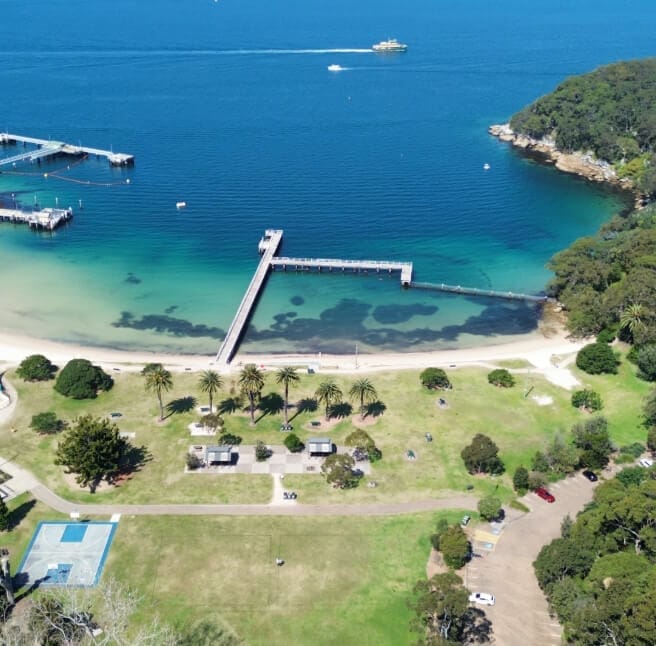
Set on the beach or in a park, this excursion explores how heat energy can change matter. The day kicks off with our spectacular Liquid Nitrogen Show, where students see solids, liquids and gases transform right before their eyes, cracking objects, rolling icy fog, and giant balloons inflating fast through rapid gas expansion.
After the show, students jump into hands-on investigations of particle movement, heat absorption and simple heat transfer. Using natural materials around them, they’ll take part in high-interest activities like making gooey slime and launching chemical rockets.
A bright, active day of real science in the great outdoors!
10:00am – 2:00pm (4 hours)
10:00am – 10:25am
Arrival, morning tea and a toilet break.
10:25am – 10:55am
A high-energy science show with icy fog, cracking objects and PPE dress-ups that has students laughing as materials freeze and shatter in surprising ways.
Students are then split into groups of approx. 35, each led by a Ranger, and rotate through the activities below.
10:55am – 11:30am — Slime Lab
Students create oobleck and explore how materials can behave like solids and liquids depending on the energy and force applied.
11:30am – 12:00pm — Chemical Rockets
Students trigger gas-producing reactions to launch rockets, seeing firsthand how expanding gases create movement and transfer energy.
12:00pm – 12:30pm — Lunch & Toilet Break
12:30pm – 1:10pm — Exploding Bags & Lava Lamps
Students mix liquids and solids to produce gases that inflate “exploding” bags, then build lava lamps showing how heat and density move liquids in mesmerising ways.
1:10pm – 1:50pm — Air Rocket Engineering
Students design rockets and blast them using compressed air, exploring how gases store and release energy to create motion.
1:50pm — Wrap-Up & Final Bathroom Break
2:00pm — Departure: A final Ranger Jamie wave sends everyone off… usually followed by a chorus of “Do we really have to leave?”
Please note: Times may vary slightly on the day. This schedule is a guide only.
ST2-SCI-01 uses information to investigate the solar system and the effects of energy on living, physical and geological systems;
ST2-PQU-01 poses questions to create fair tests that investigate the effects of energy on living things and physical systems;
ST2-DAT-01 uses and interprets data to describe patterns and relationships;
ST2-DDT-01 uses a design process to create products to address user needs or opportunities;
ST2-DDT-02 designs and uses algorithms, represents data and uses digital systems for a purpose.
Energy is required to change the properties of matter
- Recognise that matter is anything that has mass, takes up space and consists of very small particles;
- Observe examples of matter that exist as a solid, which has a defined shape and volume; a liquid, which has a definite volume but not a definite shape; and a gas, which has neither a definite shape nor a definite volume;
- Observe and describe water changing from solid to liquid to gas and back again, using Tier 2 and Tier 3 vocabulary;
- Describe how adding and removing heat energy affects the movement and arrangement of particles when matter is changing state.
Heat energy can be transferred
- Recognise that heat energy can be transferred from warmer to cooler objects by conduction, convection and radiation;
- Recognise that temperature is a measure of hotness or coldness, measured using a thermometer and often expressed in degrees Celsius;
- Pose questions and conduct fair tests to compare how different materials absorb or reflect heat energy;
- Describe how the properties of materials and transfer of heat energy impact everyday life.
North Sydney
- Clifton Gardens Chowder Bay Mosman
- Berry Island Reserve
- Balmoral Beach, Mosman
- Clontarf Reserve, Manly
- Fagan Park
- Putney Park
- Wahroonga Park
Eastern Suburbs
- Cromwell Park South, Malabar
- Mutch Park, Pagewood
- Yarra Bay Bicentennial Park, Botany
Inner West
- Cabarita Park
- Glebe Foreshore Parks
- Rozelle Parklands
- Sydney Park, Alexandria
South Sydney
- Carss Park Bush Flat
- Gunnamatta Park Cronulla
- Bonna Point Reserve, Kurnell
- Cooper St Park, Engadine
- Cook Reserve, Ruse
- Pine Park, Sans Souci
Western Sydney
- Lizard Log, Western Sydney Parklands
- Nurragingy Reserve, Doonside
- Plough and Harrow, Western Sydney Parklands
- The Dairy, Western Sydney Parklands
- bungarribee park, Sydney Parklands
Illawarra
- Stanwell Park Beach Reserve
- Shellharbour South Beach
- Stuart Park, Wollongong
Newcastle, Central Coast & Hunter Valley
- Brickworks Park
- Foreshore Park
- Poppet Head Park
- Richley Reserve
- Swadling Reserve
- Lions Park, Woy Woy
- Speers Point Park
- Tanilba Bay
The cost of this exciting adventure is $24.00 + GST per student.
(Minimum charge x35)
This price includes:
- A fully guided full day with our enthusiastic and knowledgeable Rangers
(Think Steve Irwin meets the Ranger Jamie crew!); - A pre-completed Risk Assessment, making your planning a whole lot easier;
- Assistance sourcing bus quotes, so you’re not chasing bus companies all afternoon;
- All equipment and materials provided;
- A syllabus-aligned program, thoughtfully designed to support real learning while keeping the day fun and engaging.
Choose Your Date
Step 1 of 3
Please note: The Tramway Museum is available for excursions on Wednesdays only. This is a tentative booking. After your booking request is submitted, we will be in touch via email to confirm the requested date and arrange the final details for the booking.
All prices are +GST. As this program is an educational service, all GST charged can be reimbursed in its entirety by the Government.
FAQS
How many teachers/helpers do I need on my excursion?
The more grown-up sidekicks, the better! We recommend at least one teacher/parent helper per class. No extra cost for teachers or parent helpers on this program.
What equipment/ materials do we need to bring?
Students should bring morning tea, lunch, water bottles, and any required medication. We suggest sports uniform and comfortable shoes. We supply all the materials and equipment needed for your day.
What is your weather policy?
You can viewour full policy here
We’re flexible and happy to arrange anincursion alternative or, where needed, postpone your program.
Howmany groups will my students be in?
We usually plan for one Ranger per 35-40students. On the day, your students will be split into groups of that size,with a Ranger assigned to each group to guide them as they rotate through theactivities.