

Living Things Need Energy & Materials To Survive at Symbio
Stage 2
Science Excursion


This wildlife adventure helps students discover how living things get the energy and materials they need to survive. The day begins with an exclusive animal presentation where students meet friendly snakes, curious lizards, and a tiny alligator, the perfect moment to observe how different creatures sense, react and use energy!
Two guided walks then lead students through Symbio’s habitats, where they watch koalas conserve energy, hand-feed hungry kangaroos, and meet farmyard animals up close. Along the way, they explore how plants make their own food, how animals depend on them, and how special features help living things thrive.
It’s a hands-on day that’s naturally exciting!
10am- 2pm (4 hour)
Arrival at 10:00 am
Our Rangers will be at the Symbio entrance to say G’day and welcome your group to a day full of wildlife fun.
10:00am – 10:30am:
Arrival, morning tea and a toilet break for students (after that long bus ride… phew!).
10:30am – 11:10am:
Introductory animal presentation. Students meet our Rangers, learn about the day’s topics, and get up close to reptiles, including snakes, lizards, and even a small alligator.
After the presentation, students will be divided into groups of approximately 35, with each group assigned a Ranger for the guided walks. Activities rotate, so groups may complete experiences at different times.
11:10am – 12:10pm:
Lower Walk guided tour. Your students will encounter dingoes, native birds, farmyard animals, quokkas, wedge-tailed eagles, lemurs, kangaroos, wallabies, wombats, echidnas, emus, and Tasmanian devils.
12:10pm – 12:40pm:
Lunch and toilet break.
12:40pm – 1:40pm:
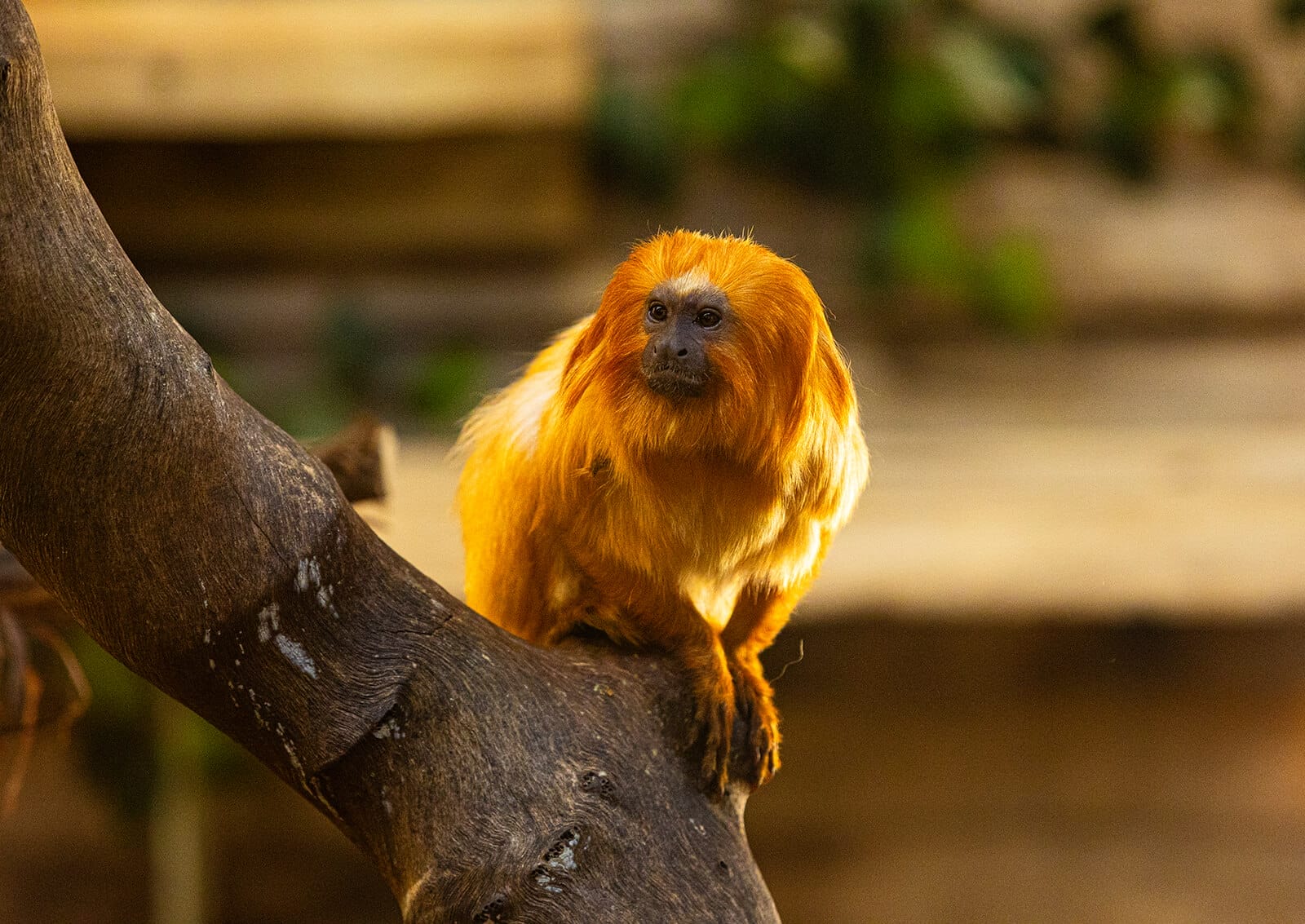
Upper Walk guided tour. Highlights include crocodiles, koalas, frogs, little penguins, the reptile house, meerkats and the world’s smallest monkeys.
1:40pm – 2:00pm:
Wrap-up, a final toilet stop, and an optional visit to the gift shop.
2:00pm: Departure time… and we’ll sadly say goodbye (while your students ask if they can stay forever).
Please note: Times may vary slightly on the day. This schedule is a guide only.
ST2-SCI-01 uses information to investigate the solar system and the effects of energy on living, physical and geological systems;
ST2-PQU-01 poses questions to create fair tests that investigate the effects of energy on living things and physical systems;
ST2-DAT-01 uses and interprets data to describe patterns and relationships;
ST2-DDT-01 uses a design process to create products to address user needs or opportunities;
ST2-DDT-02 designs and uses algorithms, represents data and uses digital systems for a purpose.
Living things depend on energy and materials to survive
- Identify the systems of Earth that make up environments: air – atmosphere, land – lithosphere, water – hydrosphere, living things – biosphere;
- Describe how the needs of living things are provided by the atmosphere, hydrosphere and lithosphere;
- Describe the relationship between habitat, ecosystem and environment;
- Observe and describe living and non-living things in a habitat;
- Pose questions to conduct fair tests to determine the effects of soil, water and light energy on plants;
- Describe how Aboriginal and/or Torres Strait Islander Peoples’ practices support habitats to survive;
- Describe the transfer of energy between plants and animals using food chains, Tier 2 and Tier 3 vocabulary;
- Describe ways in which plants and animals depend on each other for survival.
Body systems work together to enable movement
- Recognise that all animals are either invertebrates with no spine, or vertebrates with a spine;
- Compare ways invertebrates and vertebrates move on land, in water and in the sky;
- Recognise that the human muscular and skeletal systems work together to enable movement;
- Identify parts of the human skeleton that offer protection and support;
- Model how bones, muscles and joints work together to cause movement.
The cost of this wildlife adventure is $27.00 + GST per student.
(Minimum charge x35)
This price includes:
- Full-day entry into Symbio Wildlife Park;
- Private Live Animal Encounter (yes, your students really do get to touch reptiles!);
- A fully guided tour led by our enthusiastic and knowledgeable Rangers;
- Your own designated space for morning tea and lunch;
- A pre-completed Risk Assessment to make planning easier;
- Assistance with sourcing bus quotes;
- All equipment provided;
- Full Administrative support.
Note: Teacher ratios: (1 teacher free per 10 students (Kindergarten), 1 teacher free per 15 students (Years 1–6), Additional teachers: $38.00 + GST per teacher)
Choose Your Date
Step 1 of 3
Please note: The Tramway Museum is available for excursions on Wednesdays only. This is a tentative booking. After your booking request is submitted, we will be in touch via email to confirm the requested date and arrange the final details for the booking.
All prices are +GST. As this program is an educational service, all GST charged can be reimbursed in its entirety by the Government.
FAQS
How many teachers can we bring along?
Symbio ratios are:
- Kindergarten: 1 teacher free per 10 students
- Years 1-6: 1 teacher free per 15 students
Extra teachers/ adults can attend for $38 + GST. All SLSOs attend at no extra cost.
Can we use the canteen or gift shop on the day?
Yes, absolutely! When you book, we send you the canteen and gift shop info to share with students. If you want time for either on the day, let your Rangers know and we’ll build it into the schedule.
Can we use the splash park?
Yes! The splash park is best in the warmer months. Let us know when you book so we can factor it into the plan, or choose our K-6 Picnic Fun Day + Splash Park program instead. We suggest students bring a spare set of clothes (just in case the fun gets a bit too splashy).
Can my students feed the animals at Symbio?
Our favourite question… YES!
Here are our two feeding options:
- 1 feeding area: $1.50
- 2 feeding areas: $3.00
Includes farmyard animals + kangaroo/wallaby walkthrough. It’s a small add-on that makes the day extra special.
How many groups will my students be in?
We usually plan for one Ranger per 35-40 students. On the day, your students will be split into groups of that size, with a Ranger assigned to each group to guide them as they rotate through the activities.